What a HUD Home Actually Is
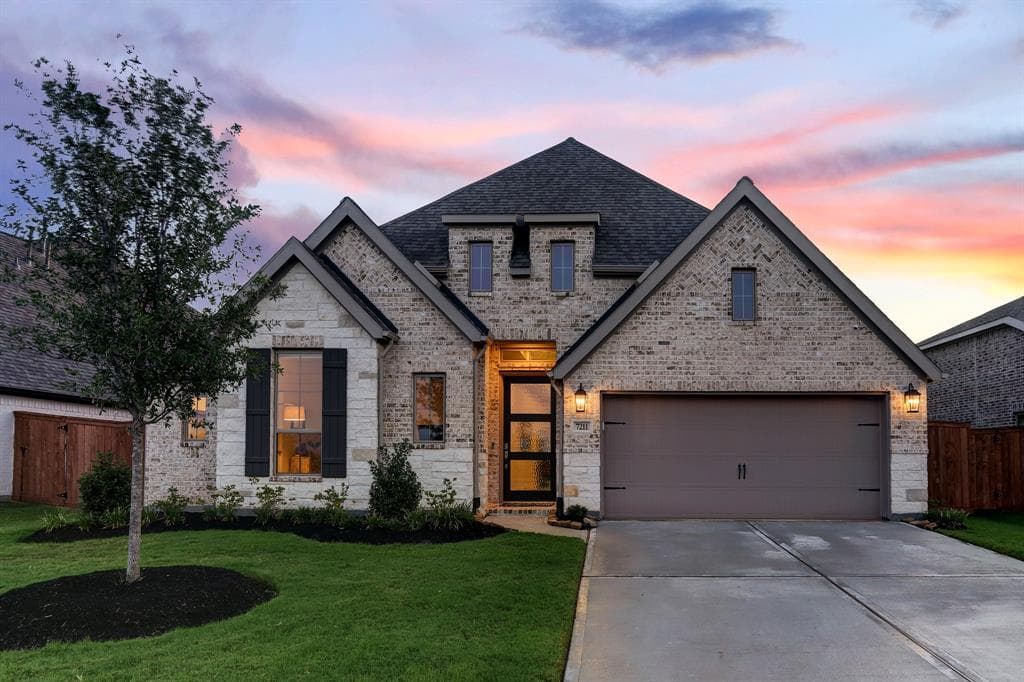
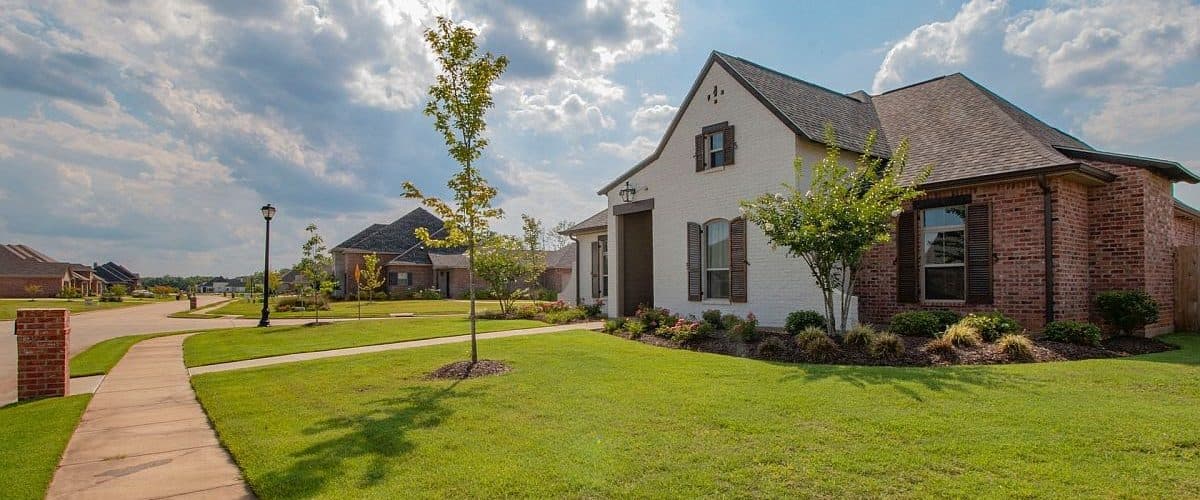
A HUD home—formally called a HUD Real Estate Owned (REO) Property—is a one-to-four unit residential property that the U.S. Department of Housing and Urban Development acquired after a borrower defaulted on an FHA-insured mortgage. HUD does not buy homes on the open market. It becomes a property owner only because the Federal Housing Administration insured the loan, the borrower stopped making payments, and the lender completed foreclosure. At that point ownership transferred to HUD, which then works to resell the home.
This origin story matters because it shapes everything about how HUD homes are marketed, priced, and sold.
How HUD Home Sales Work
Before a HUD property is listed publicly, HUD evaluates whether it qualifies for direct sale to units of local government or nonprofit organizations through special programs. Properties that do not qualify under those programs are then listed on HUD Home Store (hudhomestore.gov), the official federal listing site for FHA REO single-family properties.
Once listed, properties are first offered on a priority basis to owner-occupant buyers—individuals who intend to live in the home as a primary residence—before investors are allowed to bid. Any single-family property acquired by HUD FHA will display a sign identifying who is managing the property before it is listed for sale.
The bidding process
- You cannot submit a bid directly to HUD as an individual buyer.
- You must work through a HUD-approved real estate broker, who submits the bid on your behalf.
- Confirm that the broker is currently registered to submit HUD offers before relying on their assistance.
- Bids are submitted electronically through the HUD Home Store system.
Financing options
According to HUD guidance, buyers can use FHA financing, conventional financing, or cash to purchase a HUD home. If the property needs significant repairs, ask a lender about the FHA 203(k) rehabilitation loan program, which can roll renovation costs into the mortgage. Rules, eligibility thresholds, and program details change; check current requirements with an FHA-approved lender or HUD-approved housing counseling agency.
As-Is Condition: A Critical Caveat
HUD homes are sold strictly in their as-is condition. HUD does not warrant the condition of its properties and will not pay for corrections or repairs. The listing price is based on an appraisal, which is HUD's primary tool for establishing value, but that appraisal is not a substitute for an independent inspection.
Before making any offer:
- Hire a licensed home inspector to evaluate the property independently.
- Budget for repairs you discover—HUD will not reimburse you after closing.
- Ask your real estate broker whether the property has been designated insurable, insurable with repair escrow, or uninsurable under FHA financing guidelines, as this affects your loan options.
- Consult a HUD-approved housing counseling agency if you have questions about the process; HUD sponsors counseling agencies throughout the country at no or low cost to buyers.
Is Every Foreclosed Home a HUD Home?
No. This is one of the most common misconceptions. A foreclosed home becomes a HUD home only when the original loan was FHA-insured and HUD ends up with the title after foreclosure. Foreclosures on conventional loans, VA loans, USDA loans, or private mortgages go through entirely different channels and are owned by different entities—banks, servicers, Fannie Mae, Freddie Mac, the VA, or other investors. These are sometimes called REO (Real Estate Owned) properties, but they are not HUD homes.
Comparison at a glance:
- HUD home: FHA-insured loan defaulted, HUD holds title, listed on hudhomestore.gov, bid through HUD-approved broker.
- Bank REO: Conventional or other loan defaulted, bank or servicer holds title, listed through standard MLS or bank portals.
- Fannie Mae / Freddie Mac REO: Conforming loan defaulted, listed on HomePath or HomeSteps respectively.
- Other government-owned properties: Verify the owning agency and its current sale process through official sources.
- Auction properties: May include any of the above; listing platform is not the same as the owning entity.
Where to Verify a HUD Home
Start with the official HUD Home Store website (hudhomestore.gov) to check current HUD sales listings. If you cannot find a property, ask a registered broker or HUD contact to clarify its status; absence from a search result alone does not establish ownership.
Steps to verify:
A listing on a third-party marketplace does not by itself establish HUD ownership or the applicable sales process. Verify the address, case number and current terms using official HUD resources and a qualified real estate professional.
- Visit hudhomestore.gov directly—do not rely on scraped data on third-party portals.
- Search by state, city, or zip code to see current active listings.
- Confirm the case number and property address match what your broker is presenting.
- Check the listing status: Priority Period, Extended, or other designation affects who can bid and when.
Questions to Bring to a Licensed Professional
Before pursuing a HUD home purchase, bring these questions to a HUD-approved real estate broker, an FHA-approved lender, and a HUD-approved housing counseling agency:
Real estate rules, HUD program terms, financing requirements, and local regulations vary and change. Nothing in this guide constitutes legal, financial, or tax advice. Consult qualified, licensed professionals in your area before making any purchasing decision.
- What is the current bid deadline and priority period for this property?
- What financing designation has HUD assigned—insurable, insurable with escrow, or uninsurable?
- Am I eligible to bid as an owner-occupant, and what documentation do I need?
- Are there any local government programs that offered this property before public listing, and could that affect title?
- What repair costs should I budget for based on the inspection, and can those be financed through 203(k)?
- How does the as-is condition affect my ability to get homeowner's insurance and clear the appraisal for my lender?
Quick answers
Frequently asked questions
Is every foreclosed home a HUD home?
No. A property becomes a HUD home only when the original loan was FHA-insured and HUD acquires the title after foreclosure. Homes foreclosed on conventional, VA, USDA, or private loans are owned by other entities—banks, Fannie Mae, Freddie Mac, the VA—and go through separate sales channels. They may be called REO properties but are not HUD homes.
Where can I verify that a home is HUD-owned?
The authoritative source is the official HUD Home Store website, hudhomestore.gov. HUD lists all its active FHA REO single-family properties there. Third-party portals may display outdated or inaccurate information, so always confirm the property address and case number directly on the HUD site or through a HUD-approved real estate broker.
Does a HUD listing guarantee the home's condition or financing?
No on both counts. HUD homes are sold strictly as-is; HUD does not warrant their condition and will not pay for repairs. Financing availability depends on the designation HUD assigns each property—insurable, insurable with repair escrow, or uninsurable under FHA guidelines. Always get an independent inspection and confirm financing options with an FHA-approved lender before making an offer.
Can I buy a HUD home directly without a real estate agent?
HUD uses registered real estate brokers to submit purchase offers. Confirm that your broker is currently registered for HUD sales and ask them to explain the current listing instructions and any property-specific conditions before you proceed.