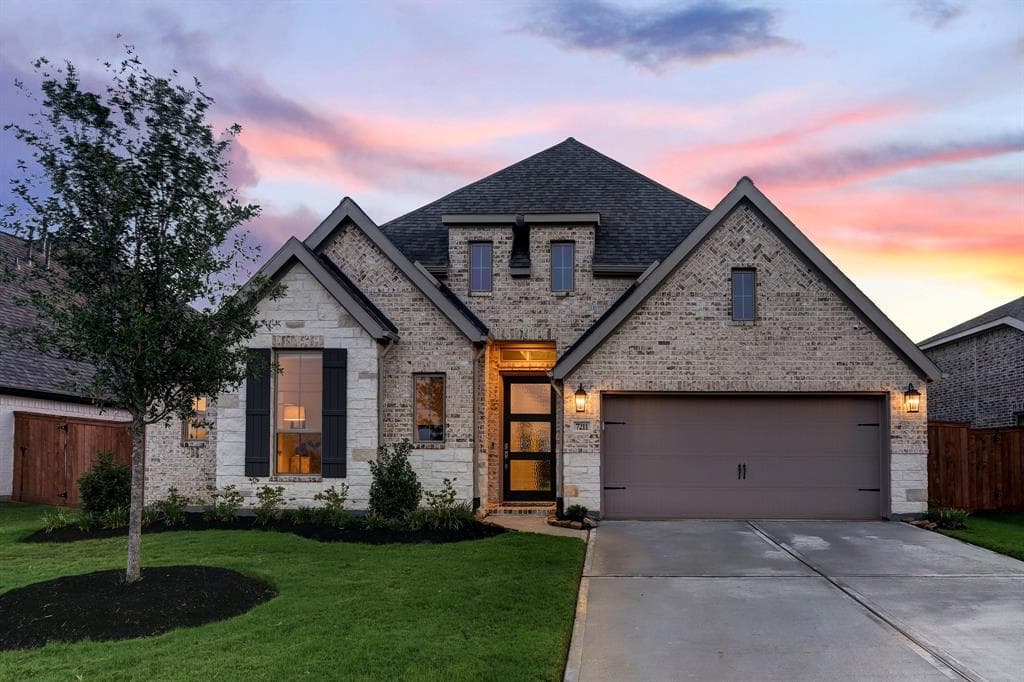
As-is describes the condition bargain
An as-is sale generally means the seller is offering the property in its present condition and is not promising to make repairs because the buyer discovers a problem. The exact effect depends on the contract, disclosures, auction terms, and applicable law.
As-is does not tell you the condition. It tells you to investigate what you can, identify what you cannot, and decide whether the price compensates for the risk.
Use available access carefully
If an authorized inspection or viewing is available, prioritize structure, roof, water intrusion, electrical, plumbing, heating, environmental concerns, pests, code issues, and major systems. Match the inspection to the property rather than relying on a generic visual walkthrough.
When interior access is unavailable, review photographs, public records, permits, violations, utility information, exterior observations from lawful locations, and professional repair ranges. Never trespass to reduce uncertainty.
Separate known repairs from unknown contingency
List visible or documented repairs with realistic labor, material, permit, and professional costs. Then add a separate contingency for concealed conditions and missing access. Combining everything into one optimistic renovation number hides the most important risk.
Read the actual contract language
The property description is not the contract. Review disclaimers, representations, inspection rights, access rules, casualty provisions, title terms, and the condition in which the property is expected to be delivered. Ask qualified professionals to explain language you do not understand before the bid becomes binding.
Auction terms and local law control every transaction. Use this guide as a planning framework and obtain property-specific legal, title, tax, inspection, and financing advice when needed.
Quick answers
Frequently asked questions
Does as-is mean the seller can hide defects?
As-is language does not erase every legal obligation, but those obligations vary. Obtain advice about the specific disclosures, contract, and applicable law.
Can I inspect an as-is property?
Sometimes. Access and inspection rights are property-specific. Follow the listing and auction instructions.
How large should the repair contingency be?
There is no universal percentage. It should reflect property age, condition evidence, access limits, project scope, local costs, and your risk tolerance.